
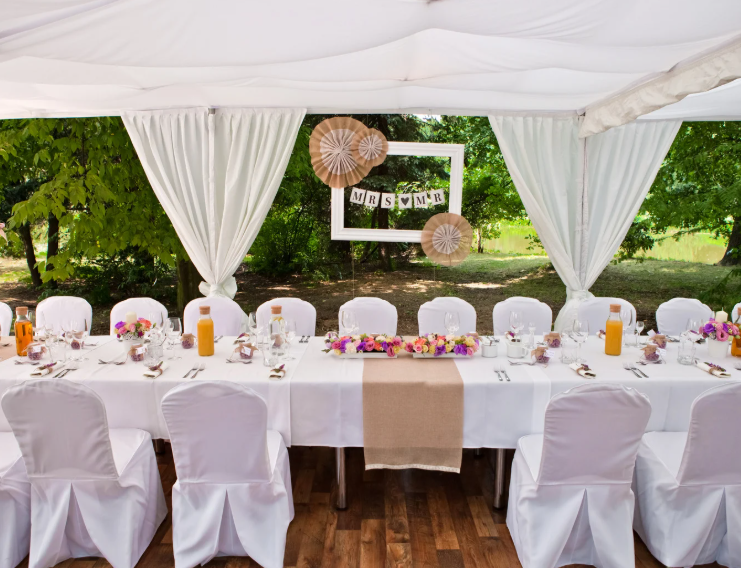
Outdoor events across Toronto are back in full swing for 2026, including weddings, street fairs, grad parties, and more. A well-planned summer tent rental can keep guests shaded and dry, but more frequent storms raise fair questions about safety and backup plans. The key is knowing what tents can and cannot do.
Tents Are Shelter, Not Permanent Buildings
Event canopies offer cover from sun and light rain, yet they remain temporary fabric structures set on poles and stakes. They are not built to handle full‑on severe weather in the way a fixed hall or arena is.
During strong storms, high winds or lightning can make any open‑air site unsafe. Wise planners treat tents as one layer of shelter within a broader risk plan.
How Quality And Setup Affect Safety
Not all structures are alike. Frame design, fabric grade, and anchoring systems all play big roles in how a tent behaves in gusts and heavy rain. Larger spans demand more robust support and careful layout.
Proper staking, weighting, and tensioning keep the fabric tight and the frame stable. Poor or rushed setup is one of the biggest factors in failures, even when the gear itself is rated well.
Reading Weather And Making Go/No‑Go Calls
A strong event partner watches forecasts closely leading up to your date. If high winds, lightning, or severe storms are likely, you may need to shift timing, move parts of the event indoors, or shorten tent use.
Clear thresholds for wind speed or other triggers should be agreed on in advance. That way, if conditions cross those lines, decisions can be made quickly and calmly rather than argued in the moment.
Planning Site Layout With Storms In Mind
Where you place the structure matters. Open, level ground with good drainage is best. Setting up near tall trees, loose objects, or power lines can add risk in wind events.
Access routes for safe exit are just as important. Guests should be able to move quickly to solid shelter, such as a hall, school, or large building, if asked to leave the tent.
Communication With Guests And Vendors
If storms roll in, people look to hosts and crews for cues. Short, clear messages—spoken and posted—help everyone know what to do if lightning or high winds approach.
Explain before the event that tents are great for shade and mild rain but not for extreme weather. When guests understand this, they are more likely to respect any call to pause or move inside.
Working With Experienced Rental Partners
Seasoned providers bring more than poles and fabric. They bring planning tools, site checks, and honest advice about what is safe. They can suggest backup options such as smaller side canopies, weighted walls, or alternate layouts to respond to changing forecasts.
A good partner will not promise that a structure can handle “anything.” Instead, they work with you to design a setup that balances fun, comfort, and safety.
Contact Varsity Tents Today
If you are planning an outdoor event and worried about sudden storms, contact Varsity Tents today. Their team can help you choose the right setup, plan for weather risks, and build a summer tent rental strategy that keeps Toronto guests as safe and comfortable as the forecast allows.